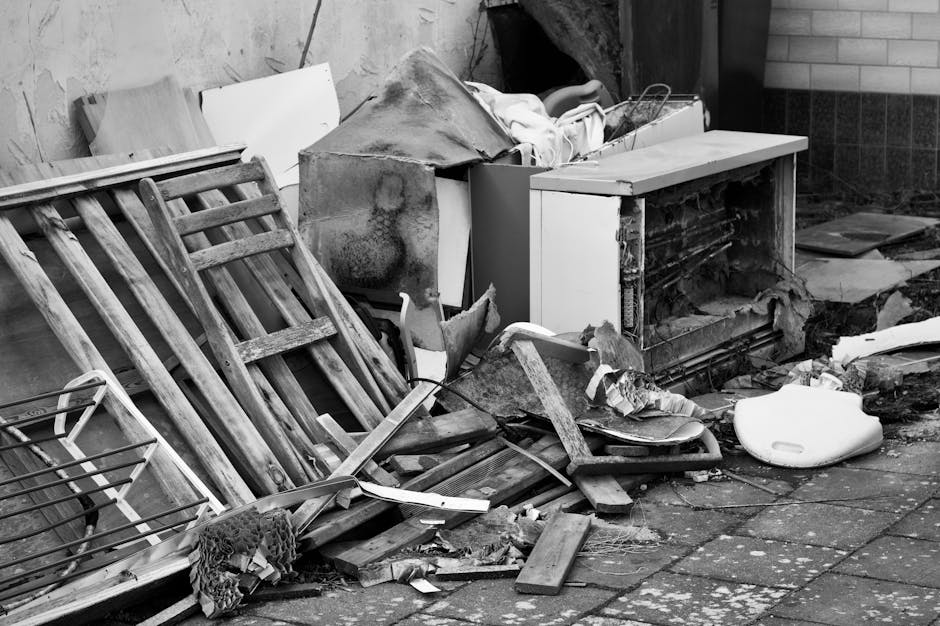
Croydon CR0 Bulky Waste Removal Tips for Homes South London
If you live in Croydon CR0 and you are staring at an old sofa, a mattress, or a broken wardrobe that has somehow become part of the hallway scenery, you are not alone. Bulky waste removal for homes in South London sounds simple on paper, but in real life it can turn into a bit of a faff. Items are heavy, access can be awkward, and the wrong disposal choice can waste time, money, and a weekend you would rather have kept for something nicer.
This guide on Croydon CR0 bulky waste removal tips for homes South London is designed to make the process clearer and calmer. You will learn how bulky waste removal usually works, what to check before booking, how to avoid common mistakes, and how to choose the right method for your home. There is also a practical checklist, a comparison table, and a simple real-world example, because let's face it, most people want the job done properly and without drama.
Why Croydon CR0 bulky waste removal tips for homes South London Matters
Bulky waste is not the same as everyday household rubbish. It usually means items too large, awkward, or heavy for normal wheelie-bin collection: furniture, bed frames, white goods, exercise equipment, garden junk, broken shelves, and the sort of thing that tends to accumulate slowly in a garage or spare room until one day you cannot shut the door properly. That moment tends to arrive with surprising speed.
In Croydon CR0, bulky waste removal matters for three practical reasons. First, homes often have limited storage, especially if you are in a flat, a maisonette, or a terrace with narrow access. Second, getting rid of bulky items improperly can create trip hazards, clutter, and stress. Third, the disposal route you choose affects cost, convenience, and sometimes compliance. A good approach saves you from repeated lifting, missed collection windows, and the classic "I'll deal with it next weekend" cycle.
There is also a local reality to this. South London homes often sit on busy streets, tighter parking, and shared access paths. That means bulky waste removal is not just about throwing things away. It is about moving them out safely, planning the route, and making sure the collection team can actually reach the items without turning your front step into an obstacle course.
Key point: the best bulky waste removal tips are not the flashiest. They are the ones that reduce handling, avoid rejected items, and make the job easier from the first step to the last.
How Croydon CR0 bulky waste removal tips for homes South London Works
There are a few common ways bulky waste removal for homes works in practice. The right method depends on volume, item type, urgency, and whether you want the least hassle or the lowest cost. Most homeowners end up choosing one of these routes:
- Local authority bulky collection for straightforward household items, usually when timing is flexible.
- Private bulky waste collection for faster turnaround, larger loads, or awkward access.
- Self-haul to a household waste site if you have suitable transport and enough time.
- Reuse, donation, or resale for items that still have life left in them.
Some items need extra care. Fridges and freezers, for example, can involve different handling because of refrigerants and internal components. Mattresses are awkward because they are bulky but not necessarily heavy. Wardrobes and desks can be deceptively difficult because they break down into multiple pieces, and once they start wobbling, the job becomes messier than expected. You know the sort of thing.
A good removal process usually starts with sorting. Separate everything into what can be reused, what must be removed, and what might be recyclable once dismantled. Then measure access. Then decide if the job is a one-person drag or a two-person lift. That small bit of planning can save a lot of swearing in the hallway.
If you are also planning a bigger clear-out, it can help to think in terms of the whole property rather than one room at a time. Many households pair bulky item removal with decluttering before moving house, after renovation work, or before a tenancy handover. If that is your situation, a broader service such as house clearance support for homes may fit better than arranging item-by-item collections.
Key Benefits and Practical Advantages
Done well, bulky waste removal is not just about making space. It can improve safety, reduce stress, and keep your home feeling manageable. The benefits sound obvious, but in practice they are often felt in small, immediate ways. A hallway clears. A spare room becomes usable again. The back garden stops looking like a storage yard for broken furniture.
- More usable space in rooms, sheds, lofts, and gardens.
- Lower injury risk because heavy lifting is reduced or handled properly.
- Less disruption than trying to squeeze a giant item into a car or van at the last minute.
- Cleaner presentation if you are selling, renting out, or preparing a property for guests.
- Better sorting outcomes when reuse and recycling are considered first.
- Faster resolution for one-off problems such as damaged furniture, white goods, or renovation leftovers.
There is a quieter benefit too: peace of mind. It is easier to relax in a home when the clutter is intentional and not just the result of postponed decisions. That sounds a bit tidy-sounding, but it is true. People feel the difference.
For landlords, letting agents, and homeowners dealing with end-of-tenancy or probate clear-outs, good bulky waste handling can also reduce delays. One skipped mattress or broken chest of drawers can hold up cleaning, decorating, or staging work. Small issue, big knock-on effect.
Who This Is For and When It Makes Sense
This kind of removal is useful for a wide range of homes in Croydon CR0 and across South London. It is especially relevant if you are:
- moving house and do not want to pay to move junk twice;
- clearing out a spare room, loft, garage, or shed;
- replacing furniture or white goods;
- sorting items after renovations or decorating work;
- helping a relative downsize;
- dealing with garden waste that is too bulky for normal collection;
- preparing a rental property for new tenants.
It also makes sense when the item is technically movable but not realistically manageable. A heavy table might fit through the doorway, but if the route includes tight corners, a staircase, or a shared entrance, the risk and effort climb quickly. Why wrestle with it for an hour when a more sensible disposal route exists?
Some households prefer to DIY as much as possible. Fair enough. If you have a van, help, and time, self-haul can work. Others simply need a straightforward collection because they are juggling work, children, or mobility constraints. There is no prize for doing it the hardest way. Honestly, there really isn't.
Step-by-Step Guidance
Here is the practical sequence that tends to work best for bulky waste removal in a home setting.
1. Identify every item that needs to go
Walk through the property room by room and make a list. Include what is visible and what has been hiding behind other things. People often forget about items in sheds, under stairs, or in the loft until the final minute. That is usually when the plan starts wobbling.
2. Separate reusable, recyclable, and true waste
If an item can be donated, resold, or passed on, consider that first. A solid chest of drawers with a bit of wear may still have a second life. A mattress with deep staining probably does not. Be honest here. It saves time later.
3. Measure access and check for obstacles
Look at hallways, stairs, door widths, garden gates, and parking restrictions. If the item must pass through tight turns or shared access, note that in advance. This helps avoid awkward surprises on collection day.
4. Decide whether the item needs dismantling
Some bulky items are easier to remove once taken apart. Wardrobes, bed frames, shelving, and flat-pack furniture often become manageable only after screws, bolts, or panels are removed. Keep the fixings in a bag if you think anyone may want the item later.
5. Choose the removal route
Pick the method that fits the load and your schedule. If you need speed, a private collection may make sense. If the items are modest and you are not in a rush, local collection or self-haul may be enough. The right choice is usually the one that matches reality rather than wishful thinking.
6. Prepare the items for collection
Put objects in a clear, accessible place if possible. Remove loose contents. Tape doors shut if needed. Drain or disconnect appliances safely. Do not leave sharp edges exposed where they could cut someone carrying the load.
7. Confirm what is accepted
Different services accept different items. Some do not take certain electricals, mattresses, or hazardous materials. Always check before booking. A rejected item on the day is annoying for everyone, and that is putting it mildly.
8. Keep the path clear on the day
If the collection is going to the front of the property or from a driveway, make the route easy. Move cars if needed. Unlock gates. Clear loose clutter. The smoother the handover, the quicker the job gets done.
9. Get confirmation of disposal
If you are using a removal company, ask what happens after collection and whether items are sorted for reuse or recycling where possible. Good providers should be able to explain their process clearly. If answers are vague, that is a sign to ask more questions.
Expert Tips for Better Results
Small adjustments can make a bulky waste job far easier. In our experience, this is where most homeowners either save themselves trouble or make it ten times harder than it needs to be.
- Take photos before booking. It helps with item assessment, access planning, and avoiding misunderstandings.
- Group items by type. Put furniture together, electrical items together, and soft furnishings together if you can.
- Break down what you safely can. Flat-pack furniture often becomes much easier once dismantled.
- Check for hidden contents. Drawers, cupboards, and sofa compartments have a funny habit of hiding small valuables and paperwork.
- Plan around busy times. Morning collections are often smoother than late-day scrambles, especially if parking is tight.
- Keep children and pets away. Not just for safety, but because one curious dog or excited child can slow the whole process down.
A useful rule of thumb: if lifting the item feels like a question mark, pause and rethink the method. Two lighter trips are usually better than one risky one. Your back will thank you later. So will your front step.
If you are clearing bulky waste alongside general home tidying, it can help to coordinate with broader domestic support. For example, a regular domestic cleaning service can be useful after the waste is removed, especially when dust, cobwebs, and fine debris have built up in forgotten corners.
Expert summary: the easiest bulky waste removals are the ones planned like a small project. List the items, check access, decide the route, and only then book the collection. Half the stress disappears before the van even turns up.
Common Mistakes to Avoid
People usually do not get bulky waste wrong because they are careless. They get it wrong because the job looks simpler than it really is. That is fair enough. But a few errors come up again and again.
- Leaving it until the last minute. This creates rushed decisions and poor booking choices.
- Assuming everything can be lifted as one piece. Many items need dismantling first.
- Forgetting access issues. Narrow stairs, parking restrictions, and shared entrances can turn a quick job into a long one.
- Mixing prohibited items with general waste. Some loads need special handling.
- Overfilling a car or van. That is how injuries and damage happen.
- Not comparing collection methods. The cheapest option is not always the best value.
- Failing to ask what happens after collection. Reuse and recycling practices matter to many households.
One small but common mistake is not checking whether the item can be stripped down safely. A wardrobe that would not fit through a doorway may come apart in fifteen minutes. Or it may not. You have to judge it honestly. If the screws are rusted, the panels swollen, or the thing already half-broken, forcing it is usually a bad idea.
Tools, Resources and Recommendations
You do not need a van full of equipment to handle bulky waste well. A modest set of simple tools often does the job. The real trick is using the right tool before the object gets the better of you.
| Tool or resource | Why it helps | Best used for |
|---|---|---|
| Tape measure | Checks doorways, stair landings, and item size | Large furniture and awkward access |
| Screwdriver set | Helps dismantle flat-pack items and fittings | Wardrobes, beds, shelving |
| Heavy-duty gloves | Improves grip and protects hands | General lifting and rough edges |
| Trolley or sack truck | Reduces manual carrying | White goods, boxes, heavier loads |
| Dust sheets | Protects floors and reduces mess | Indoor moving routes |
| Labels or marker pen | Keeps parts and fixings organised | Dismantled furniture and mixed loads |
A few simple recommendations are worth keeping in mind:
- Use protective gloves, but do not treat them as magic armour.
- Take your time on stairs. Rushing stairs is how people end up saying things they regret.
- Keep a clear landing zone outside the property so items do not get left in the way of neighbours or pedestrians.
- If you are unsure whether something is safe to move, get help. It is not overcautious; it is sensible.
If you are managing a mixed clear-out, a broader waste solution may be helpful. Some households benefit from combining bulky items with recycling services so that recyclable materials are separated properly instead of all being thrown into one pile.
Law, Compliance, Standards, or Best Practice
For bulky waste removal, the main compliance principle is straightforward: make sure waste is handled responsibly and passed to a legitimate carrier or disposal route. In the UK, householders should be cautious about handing waste to anyone who cannot clearly explain where it goes. If it is removed and dumped illegally, the original householder can end up with an unpleasant headache. Nobody wants that call from the council or the neighbour who spotted your old sofa in a lay-by. Awkward, to say the least.
Best practice is to:
- use a reputable collection provider or official disposal route;
- avoid giving mixed waste to someone who cannot explain their process;
- separate reusable or recyclable items where practical;
- keep a basic record of what was removed if you are clearing on behalf of someone else;
- treat electricals, sharp objects, and heavy items with extra care.
If you are a landlord, managing agent, or executor, it is especially sensible to document what was cleared and when. That is not about being overly formal. It is about avoiding disputes later. A few photos and a simple note can save a surprising amount of hassle.
Also, local rules and accepted procedures can vary by provider and site, so always check the service conditions before arranging a collection. The safe approach is usually the simplest one: ask, confirm, and then proceed.
Options, Methods, or Comparison Table
There is no single "best" bulky waste method for every home. The right choice depends on timing, access, item type, and how much effort you want to spend. Here is a practical comparison.
| Method | Best for | Pros | Watch-outs |
|---|---|---|---|
| Local authority collection | Simple household bulky items | Convenient, familiar, often suitable for smaller jobs | May require advance booking and item rules can be strict |
| Private bulky waste collection | Urgent or awkward jobs | Flexible, quicker, can handle a wider variety of loads | Usually higher cost than self-haul |
| Self-haul | People with transport and time | Can be cost-effective, full control over timing | Manual lifting, fuel, site rules, and transport limits |
| Reuse or donation | Usable furniture and goods | Can reduce waste and help others | Requires items to be in decent condition and accepted by recipients |
If you want the simplest path, private collection often wins on convenience. If you want to reduce cost and have a vehicle, self-haul can be practical. If the item still has life in it, reuse is always worth checking first. That said, the "best" method is the one that fits the day you actually have, not the imaginary one with endless free time and perfect parking.
Case Study or Real-World Example
Picture a typical Croydon CR0 home: a two-bedroom terrace, a narrow front path, and a back room that has quietly become a storage zone for an old sofa, a broken desk, two bedside tables, and a mattress. The family had planned to do it themselves, but once they measured the hallway and checked the stairs, it was clear the sofa would be a two-person job at best, and probably not a cheerful one.
They started by sorting the items. The desk was dismantled. The mattress was kept separate. The bedside tables were small enough to move easily, so they were grouped near the front. The sofa needed more thought because of the tight turn in the hallway. Instead of forcing it, they measured the access, checked collection options, and picked the method that avoided damage to the walls and their patience.
The difference was not just convenience. The job finished faster because the prep work had been done. No one had to reverse course halfway down the stairs. No one had to guess whether the item would fit. And the family got the room back the same day, which felt oddly satisfying in the way only a freshly cleared room can. A bit of breathing space, finally.
That is the pattern worth copying: measure first, sort properly, and choose the route that matches the property rather than the other way around.
Practical Checklist
Use this checklist before arranging bulky waste removal in Croydon CR0.
- List every bulky item that needs removing.
- Check which items can be reused, donated, or resold.
- Measure doorways, stairs, and gates if access is tight.
- Decide whether dismantling is needed and whether you can do it safely.
- Separate electricals, furniture, mattresses, and mixed materials.
- Clear the route from the item to the collection point.
- Confirm parking or access arrangements for collection day.
- Ask what items are accepted before booking.
- Keep gloves, tools, and bags for fixings ready.
- Make sure children and pets are out of the way.
- Keep a note or photo record if you are clearing on behalf of someone else.
- Double-check the disposal route so nothing ends up in the wrong place.
A simple checklist like this sounds basic, but it stops the little oversights that become big delays. Truth be told, that is half the battle with home clear-outs.
Conclusion
Bulky waste removal in Croydon CR0 does not need to be complicated. The homes in South London that handle it best are usually the ones where the process is planned with a bit of common sense: measure the access, sort the items, choose the right removal method, and keep safety in mind. That is how you avoid the usual mess, the rushed lifting, and the surprise that your "quick job" has somehow taken over the afternoon.
If you remember only one thing from this guide, let it be this: the easiest bulky waste removal is the one you prepare properly before anyone starts lifting. A little planning goes a long way, and it often costs less in stress than people expect.
Get a free quote today and see how much you can save.
Frequently Asked Questions
What counts as bulky waste in a Croydon CR0 home?
Bulky waste usually means large household items that do not fit in normal bins, such as sofas, mattresses, wardrobes, tables, white goods, and garden furniture. If you have to wrestle with it to move it, it is probably bulky enough to need a proper removal plan.
Is it better to book a bulky waste collection or take items to a site myself?
It depends on time, access, and transport. Self-haul can be cheaper if you have a suitable vehicle and help. A booked collection is usually easier if the items are heavy, awkward, or difficult to move from the property.
Can I leave bulky waste outside my house in Croydon CR0?
Not without checking the correct collection route first. Leaving items out randomly can create obstruction, complaints, or removal issues. Always follow the rules of the chosen service and make sure the timing is confirmed.
What bulky items are hardest to remove from a home?
Sofas, wardrobes, American-style fridge freezers, and beds are often the trickiest because they are large, awkward, and difficult to manoeuvre through stairs or tight hallways. The item size is only part of the problem; access matters just as much.
Should I dismantle furniture before arranging removal?
If it can be dismantled safely, often yes. Flat-pack furniture, shelving, and some bed frames are easier to remove in pieces. Just keep screws and fittings together if there is any chance the item may be reused.
How do I know if a bulky waste collector is legitimate?
A legitimate provider should be clear about what they collect, how the process works, and what happens to the waste afterwards. If answers are vague or oddly rushed, take that seriously and ask more questions before booking.
Are mattresses and white goods treated differently from regular furniture?
Often, yes. Mattresses and electrical appliances may need separate handling or acceptance checks. White goods can involve extra care because of heavy components and, in some cases, special disposal requirements.
Can bulky waste removal include garden items too?
Yes, it often can. Broken outdoor furniture, fencing sections, plant pots, and similar large garden items may be included, though acceptance varies by provider. It is always worth confirming in advance.
How can I reduce the cost of bulky waste removal?
Sort items before booking, separate reusable goods, dismantle furniture where safe, and avoid adding unnecessary mixed waste. The cleaner and better organised the load, the easier it usually is to handle.
What should I do with items that are still usable?
Consider reuse first. Some furniture, appliances, and household goods may be suitable for donation, resale, or passing on to someone who needs them. That can reduce waste and make the clear-out feel a bit less wasteful.
Is bulky waste removal safe for one person to do alone?
Small items may be manageable, but heavy or awkward pieces are usually safer with help. If the item involves stairs, sharp edges, or a tight turn, get assistance rather than forcing it. A small mistake with a heavy object can be a big problem.
What is the best first step if my home is full of bulky clutter?
Start by listing the items and separating what can be reused from what must go. Then measure access and choose the removal method that suits the load. Once the first item is gone, the rest usually feels more manageable. That first step matters more than people think.
For households in Croydon CR0, a calm, well-planned removal is usually the difference between a stressful chore and a tidy finish. And when the room finally clears, the air feels lighter. Always does.