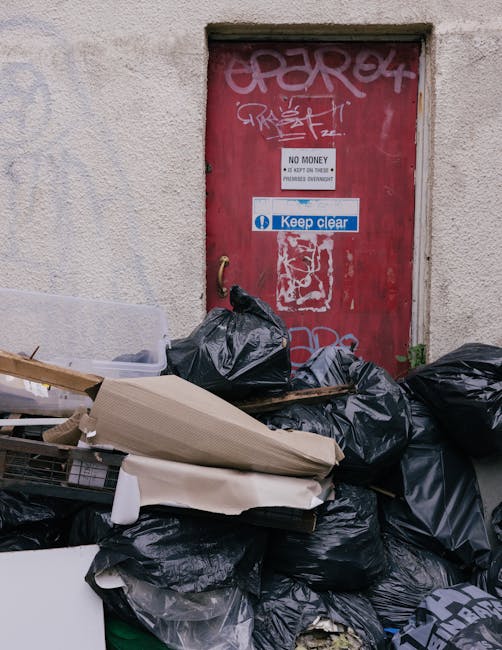
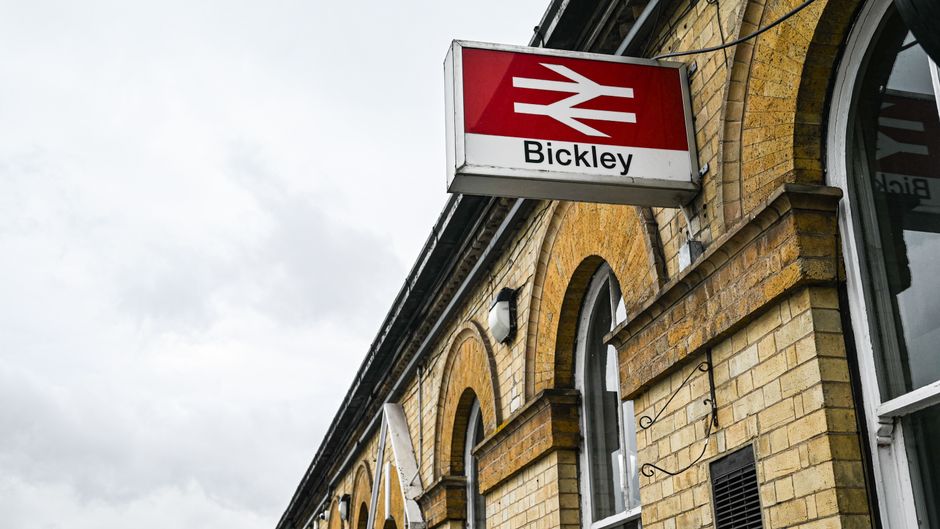
Brixton rubbish clearance near Brixton Station South London
If you are trying to sort out Brixton rubbish clearance near Brixton Station South London, chances are you want two things at once: the mess gone quickly, and the whole job handled properly. Fair enough. Whether it is a sofa that has been blocking the hallway for a week, builders' debris after a refresh, or a flat that needs clearing before a move, local clearance work near Brixton Station tends to be about speed, access, and not turning a stressful day into a bigger one.
This guide explains how rubbish clearance works in this part of South London, what to expect, where people often go wrong, and how to choose the right approach for your property or business. You will also find a practical checklist, a comparison of common options, and a straightforward FAQ at the end. If you need broader service context while planning a clearance, it can also help to look at rubbish clearance, rubbish removal, and related clearance pages like flat clearance or house clearance.
Table of contents
- Why Brixton rubbish clearance near Brixton Station South London Matters
- How Brixton rubbish clearance near Brixton Station South London Works
- Key Benefits and Practical Advantages
- Who This Is For and When It Makes Sense
- Step-by-Step Guidance
- Expert Tips for Better Results
- Common Mistakes to Avoid
- Tools, Resources and Recommendations
- Law, Compliance, Standards, or Best Practice
- Options, Methods, or Comparison Table
- Case Study or Real-World Example
- Practical Checklist
- Conclusion
- Frequently Asked Questions
Why Brixton rubbish clearance near Brixton Station South London Matters
Brixton Station sits in a busy pocket of South London where time, space, and access matter more than most people expect. Streets can be tight, parking is not always generous, and many homes and commercial units are a few steps from foot traffic, deliveries, or shared entrances. That means rubbish clearance is not just about lifting things into a van. It is about planning the removal so it works in a real neighbourhood, not an ideal one.
In practical terms, local clearance matters because rubbish tends to create a knock-on effect. A pile of old furniture can make a room unusable. Builder's waste can stop the next stage of a project. In a flat, a few black bags and an unwanted wardrobe can turn into a trip hazard very quickly. And if you are running a business, even a small accumulation can make customers feel the place is unkempt. Nobody wants that on a busy day near the station.
There is also the matter of waste being sorted responsibly. Different items need different handling, and not everything should be treated like general rubbish. Furniture, metal, garden waste, electrical items, and construction debris all need sensible separation. A good clearance approach reduces the chance of mistakes, avoids unnecessary re-handling, and makes disposal more straightforward.
Expert summary: Near Brixton Station, the best rubbish clearance is usually the one that balances speed, access, and responsible handling. Fast is useful. Organised is better. Both together is ideal.
How Brixton rubbish clearance near Brixton Station South London Works
Most clearance jobs follow a simple pattern, even if the details vary. You describe what needs to go. The team estimates the load, the access, and any special handling. Then the items are collected, loaded safely, and taken away for sorting, reuse, recycling, or disposal depending on what the load contains. Sounds simple, and most of the time it is. The tricky bit is the detail.
For example, a one-bedroom flat near Brixton Station may involve carrying items down narrow stairs, navigating shared hallways, or waiting for a loading spot. A small office clearance may involve removing desks, monitors, files, and packaging without disturbing neighbours or staff. Builders' waste is different again because it can be heavy, dusty, and awkward to move if it has been left in bags that split the second you touch them. We have all seen that. Not ideal.
Clearance is usually easiest when the load is pre-sorted into sensible groups. Furniture together, loose household items together, heavy rubble together, and anything hazardous separated out for special handling. That makes the process faster and less messy. It can also help the team make a clearer assessment before arrival if you send photos or a short list of what needs clearing.
If your clearance involves mixed items, it is often worth thinking beyond basic rubbish removal. A full home clearance or office clearance may be a better fit than asking for a single-item collection. And if the job is mostly bulky items, furniture disposal or sofa removal may be the more efficient route.
Key Benefits and Practical Advantages
The main advantage of using a proper clearance service near Brixton Station is time. You do not need to rent a van, find help, or make multiple trips. That matters if you are juggling work, childcare, a move, or a renovation that is already eating the week alive. It also means fewer chances to damage walls, lift something badly, or end up with a pile still sitting there at 9 p.m. because the job turned out bigger than expected.
- Speed: A well-organised clearance can remove clutter in one visit rather than stretching over several days.
- Less physical strain: Heavy lifting is harder than it looks, especially with stairwells, awkward corners, and bulky furniture.
- Cleaner spaces: Once the waste is gone, the room is immediately easier to clean, decorate, rent, or sell.
- Better planning: You can coordinate around moving dates, contractors, end-of-tenancy deadlines, or opening hours.
- Responsible handling: Sorting items properly supports reuse, recycling, and safer disposal where appropriate.
There is also a quieter benefit that people do not always mention: relief. When clutter has been staring at you for days, the emotional lift after clearance can be surprisingly strong. The room feels bigger, the air feels lighter, and suddenly the next decision is easier. That is not a sales line; it is just how people react when a space finally feels under control.
Who This Is For and When It Makes Sense
Brixton rubbish clearance near Brixton Station South London is useful for a wide mix of people. Some need it once and never again for years. Others use clearance services more regularly because their work produces bulky or mixed waste. Here is where it tends to make the most sense.
- Tenants moving out: Useful when you need to clear leftover items, old furniture, or accumulated clutter before checkout.
- Landlords and agents: Ideal after a tenancy change, especially where a flat has been left with unwanted goods.
- Homeowners: Handy for lofts, spare rooms, garages, and post-refurbishment tidying.
- Local businesses: Helpful when office furniture, packaging, stock, or broken items build up.
- Tradespeople: Practical for builders' waste, scrap materials, and end-of-job site tidy-ups.
- People helping family members: Clearance can be a big support when sorting a house, garage, or flat that has become overwhelmed.
It also makes sense when the alternative is awkward or inefficient. If you only have one armchair, you might not need a full house clearance. But if there are several bulky items plus bags, loose rubbish, and a few bits of old furniture, a combined visit is often the smarter choice. That is where a flexible service like waste removal or waste clearance can be more practical than piecemeal collection.
Step-by-Step Guidance
If you want a smoother experience, the best thing is to treat clearance as a short process with a few clear steps. Nothing fancy. Just practical.
- List what needs removing. Write down the main items first, then add bags, boxes, or loose waste underneath.
- Group similar items together. Put furniture in one place, smaller waste in another, and keep anything sensitive or hazardous separate.
- Check access. Note stairs, lifts, narrow hallways, restricted parking, or timed entry windows. Around Brixton Station, access details matter a lot.
- Take clear photos. A few decent pictures make it easier to judge the amount and type of waste. Morning light helps, if you can get it.
- Confirm what is included. Make sure you know whether loading, lifting, labour, and disposal are part of the same arrangement.
- Prepare the space. Move valuables, separate anything you want to keep, and make routes clear where possible.
- Stay reachable on the day. A quick call or message can resolve access problems before they slow everything down.
- Check the area afterwards. It sounds obvious, but a quick sweep of the space can catch missed scraps, screws, or packaging.
If the job includes worn-out household items, you may want to combine clearance with garage clearance or garden clearance if those areas are in the same state. Otherwise the clutter just migrates, which is a very human thing to happen. One corner gets fixed, and somehow the next corner becomes the problem.
Expert Tips for Better Results
A few small decisions can make the whole job smoother. In our experience, the people who get the best results are not necessarily the ones with the smallest load. They are the ones who prepare well and communicate clearly.
- Photograph awkward items separately. Oversized sofas, wardrobes, mattresses, and broken appliances are often where surprises come from.
- Separate reusable items from true waste. If something can be passed on, keep it out of the general pile unless you specifically want it removed.
- Be honest about volume. Understating the load rarely helps. It can make pricing, timing, and vehicle planning less accurate.
- Think about timing near the station. Early morning or quieter windows may reduce access issues. Later in the day can be trickier.
- Keep a note of special items. Paint tins, chemicals, batteries, and similar materials may need separate handling.
A small but useful habit is to keep one "do not remove" corner or room. That way nobody accidentally tosses something important while the rest of the property is being cleared. It sounds basic. It is basic. Yet it saves a lot of hassle.
For larger property projects, you may also want to plan the order of work. A clearance before decorating, flooring, or deep cleaning usually makes more sense than trying to work around old items. And if you are tackling a bigger reset, house clearance can be the right route when the job extends beyond a single room.
Common Mistakes to Avoid
The most common mistakes are usually not dramatic. They are the little things that make a clearance slower, pricier, or more stressful than it should be. The sort of stuff people only notice once the van is there and everyone is already carrying something heavy. Not fun.
- Leaving sorting until the last minute: Mixed piles take longer to assess and can lead to unnecessary back-and-forth.
- Forgetting access constraints: Narrow staircases, shared entrances, and parking limitations can significantly affect the job.
- Assuming all waste is the same: Different material types may require different handling or disposal routes.
- Keeping fragile items in the main pile: Glass, mirrors, and small valuables can get damaged if they are not separated.
- Trying to hide the real amount: This is the big one. It rarely helps and often creates delays.
- Ignoring timing: A clearance before a move-out deadline needs tighter coordination than a general tidy-up.
One other mistake: doing all the lifting yourself when the item is clearly awkward. You do not win a prize for wrestling a wardrobe down stairs on your own. Sometimes the sensible move is simply to let someone else handle it safely.
Tools, Resources and Recommendations
You do not need a complicated toolkit for rubbish clearance, but a few simple items make the process better. A marker pen, some strong bin bags, gloves, a tape measure, and a phone camera are often enough to prepare a job properly. If items need dismantling, a basic screwdriver set can help, though only if you are confident and the item is genuinely safe to take apart.
Useful planning aids include a room-by-room list, a quick sketch of access routes, and a short note about anything heavy, fragile, wet, dusty, or potentially hazardous. That gives a clearer picture than just saying "there's a lot of stuff." Most of the time there is a lot of stuff, yes, but context matters.
If you are looking at a broader cleanout rather than just mixed rubbish, these pages may help you think through the type of clearance you need: home clearance, garage clearance, office clearance, or builders waste. Each one suits a different kind of load, and choosing well can save time.
Law, Compliance, Standards, or Best Practice
Waste handling in the UK should be approached carefully. You do not need to become an expert in waste law to organise a clearance, but you should expect any professional service to behave responsibly and to avoid fly-tipping, unsafe handling, or careless dumping. That part is non-negotiable.
Best practice usually means that items are collected lawfully, loaded securely, and taken to suitable facilities or onward processing routes depending on what they are. In normal everyday terms, that means a mattress is not treated exactly like clean cardboard, and rubble is not mixed blindly with reusable furniture. Sensible sorting protects people and helps keep disposal efficient.
If a job includes items that may be classed as hazardous, such as chemicals, asbestos-containing materials, or certain electrical goods, you should ask about the right handling approach before collection. A good provider will be clear about what they can and cannot remove. If they are vague, keep asking. Better awkward questions now than awkward problems later.
On the customer side, it is best practice to be clear about ownership and permissions. If you are clearing a property on behalf of someone else, make sure you have authority to remove the items. That may sound obvious, but in real life it can get messy fast.
Options, Methods, or Comparison Table
There are usually a few ways to clear rubbish near Brixton Station, and the right one depends on volume, urgency, access, and what the waste actually is. Here is a simple comparison.
| Option | Best for | Pros | Trade-offs |
|---|---|---|---|
| Self-clearance | Small, light loads you can move safely | Flexible timing, direct control | Time-consuming, physical effort, transport needed |
| Single-item removal | One bulky item such as a sofa or mattress | Quick, targeted, usually straightforward | Less efficient if more waste appears later |
| Partial clearance | One room, garage, loft, or part of a property | Good balance of cost and convenience | Needs clearer sorting beforehand |
| Full property clearance | Moves, probate, major cleanouts, end-of-tenancy clearances | Most comprehensive, less hands-on for you | More planning required, usually larger job |
| Specialised waste removal | Builders' debris, garden waste, office items, mixed bulky waste | More efficient for specific load types | Needs more accurate description upfront |
For many people near Brixton Station, the best option is not the most dramatic one. It is the simplest one that fits the space. A quick flat clearance may be all you need. Or it may turn out that the job is really a mix of household items and furniture, which points you towards broader rubbish collection or waste removal instead.
Case Study or Real-World Example
Consider a typical weekday clearance near Brixton Station. A tenant is moving out of a one-bedroom flat and has a broken wardrobe, two bags of old clothes, an armchair, a small TV unit, and some leftover packaging from new furniture. Nothing huge individually, but together it fills a room and makes the move-out feel chaotic.
The first useful step is to separate what is staying from what is going. The tenant takes photos of each item, makes sure the keys and documents are not in the pile by mistake, and clears a route from the flat to the front door. There is a shared hallway, so keeping the route tidy matters. No one wants a box toppled over halfway down the stairs. Been there, seen that, not ideal.
The clearance is then planned as a mixed load rather than as separate jobs. That matters because the pieces are all in one place and the access is straightforward enough for a single visit. Once removed, the flat is ready for final cleaning, and the tenant can focus on handover instead of wrestling with old furniture for another evening.
The real lesson here is simple: the more you define the job before collection, the smoother it goes. Not perfect, just smoother. And smooth is good enough.
Practical Checklist
Use this quick checklist before arranging Brixton rubbish clearance near Brixton Station South London:
- List all items clearly, including bags, boxes, and bulky pieces.
- Separate keep, donate, and remove piles before the team arrives.
- Check access: stairs, lifts, parking, locked gates, and working hours.
- Take a few clear photos in good light.
- Note anything heavy, fragile, dirty, sharp, or awkward.
- Remove personal documents, keys, and valuables.
- Ask whether labour, loading, and disposal are included.
- Flag any special waste or items that may need separate handling.
- Set a sensible time window for collection.
- Do a final sweep of the area after clearance.
Quick takeaway: the best clearance jobs are usually the ones where the customer prepares well, the access is understood in advance, and the waste is described honestly. That is what keeps the day calm.
Get a free quote today and see how much you can save.
Conclusion
Brixton rubbish clearance near Brixton Station South London is really about making life easier in a busy, high-footfall part of the city. The best results come from clear planning, honest descriptions, and a service that understands the reality of local access. Whether you are clearing a flat, a house, an office, a garden, or a pile of builders' waste, the goal is the same: remove the clutter, protect the space, and move on without drama.
If you are at the stage where the rubbish is starting to control the room rather than the other way around, that is usually your sign to act. A decent clearance should feel like breathing room returning. And that feeling, truth be told, is worth a lot.
Frequently Asked Questions
What does Brixton rubbish clearance near Brixton Station South London usually include?
It usually includes the collection, loading, and removal of unwanted household items, furniture, bags of rubbish, and other waste from properties near Brixton Station. The exact scope depends on the load and the service arranged.
How quickly can rubbish be cleared near Brixton Station?
That depends on availability, the amount of waste, and access conditions. Small jobs can often be straightforward, while larger clearances need more planning. Fast access and clear photos usually help speed things up.
Can bulky furniture be removed as part of a clearance?
Yes, bulky furniture is commonly part of local clearance work. Sofas, beds, wardrobes, tables, and other large pieces are often handled through furniture disposal or wider rubbish removal arrangements.
Is flat clearance different from rubbish clearance?
Yes, slightly. Rubbish clearance can be a more general term, while flat clearance usually refers to clearing a whole apartment or a significant portion of it. For a mixed pile in a flat, both ideas can overlap quite a bit.
Do I need to sort the waste before collection?
Some sorting helps, especially if you have mixed items such as furniture, bags, and heavy debris. You do not always need a perfect setup, but separating keep items from remove items makes the process much smoother.
What if I only have one item to remove?
If it is a single bulky item, a focused service such as sofa removal or furniture disposal may be the better fit. It can be more efficient than treating it like a larger clearance job.
Can builders' waste be taken away from a property near Brixton Station?
Yes, builders' waste is commonly collected, but it should be described accurately because heavy rubble, timber, plasterboard, and mixed construction waste may need different handling. Clear photos help a lot here.
What should I do with items I want to keep?
Move them well away from the clearance area and, if possible, set up a separate "do not remove" zone. It is a simple step, but it prevents mistakes when everything else is being moved quickly.
Is rubbish clearance suitable for offices and businesses?
Yes. Business waste, office furniture, packaging, and general commercial clutter can often be cleared through a structured collection. For workplaces, timing and access usually matter as much as the load itself.
What are the biggest mistakes people make with local rubbish clearance?
The biggest mistakes are underestimating the amount of waste, forgetting access issues, and leaving sorting until the last minute. Those three things cause most of the avoidable stress.
How do I know whether I need waste collection or waste disposal?
In everyday use, the terms overlap a lot. Waste collection refers to the pickup, while waste disposal refers to what happens after it is collected. A good provider should explain both in plain language if needed.
What is the best way to prepare for clearance on a busy street near Brixton Station?
Keep the access route clear, take photos, confirm timing, and be upfront about any parking or entry restrictions. Busy areas need a bit more coordination, but with the right preparation, the job is usually very manageable.